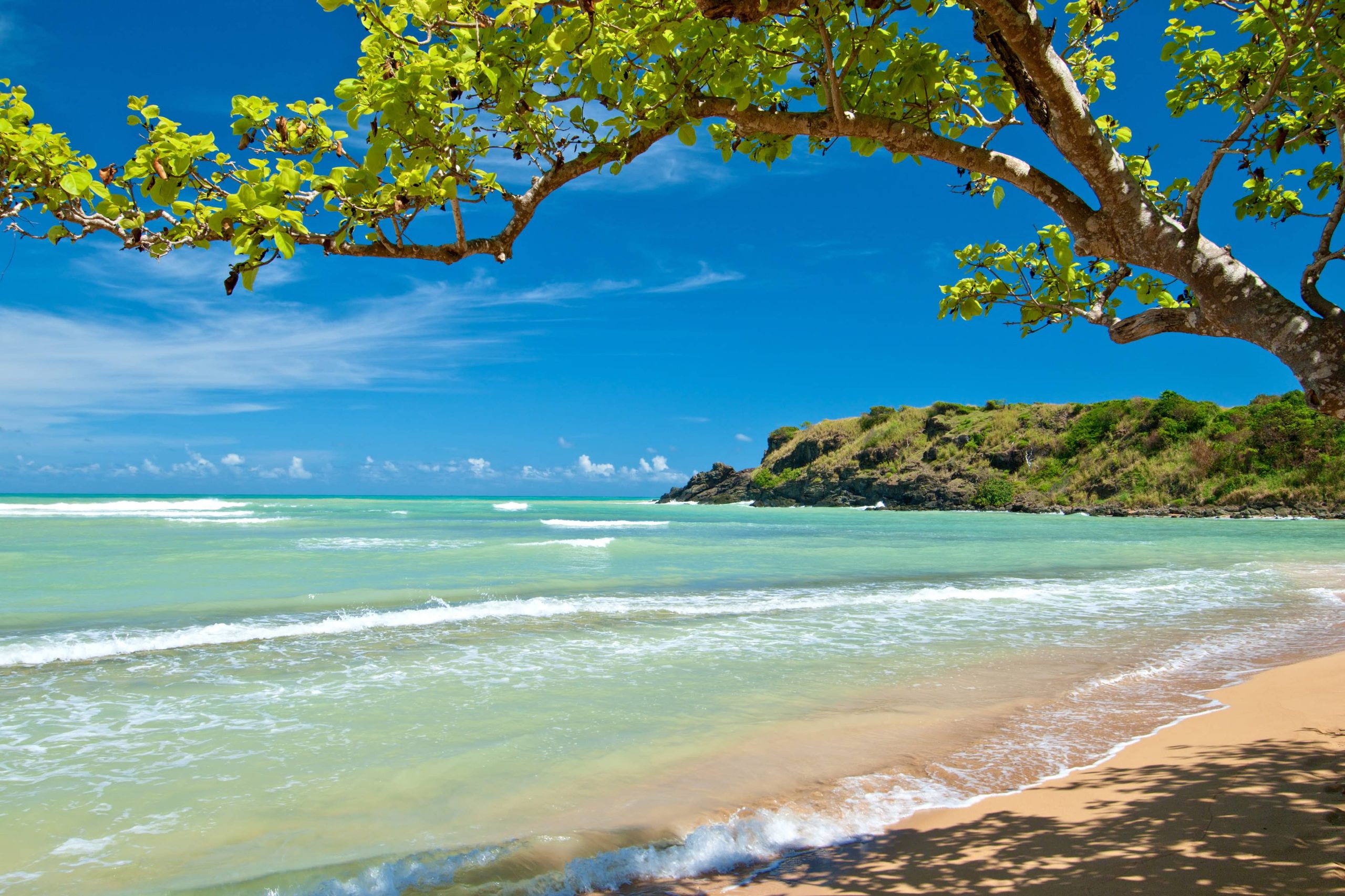
Set sail on a roundtrip voyage through the Caribbean, where natural beauty meets vibrant cultures. The colorful colonial architecture of San Juan contrasts with the lush rainforests of Roseau. In the Lesser Antilles, St. Martin blends French influence with Dutch charm, while Barbados reflects its British heritage. Traverse the azure waters from St. Croix and St. Lucia to Dominica, St. Martin and St. Thomas, and call on a new port every day.
Your tour highlights
On this itinerary, your Viking Resident Historian is delivering the following iconic lectures:
- – Explorers: The Age of Discovery
- – Pirates & Treasure Hunters
- – Islands in History
- – The Bayeux Tapestry
Tour itinerary
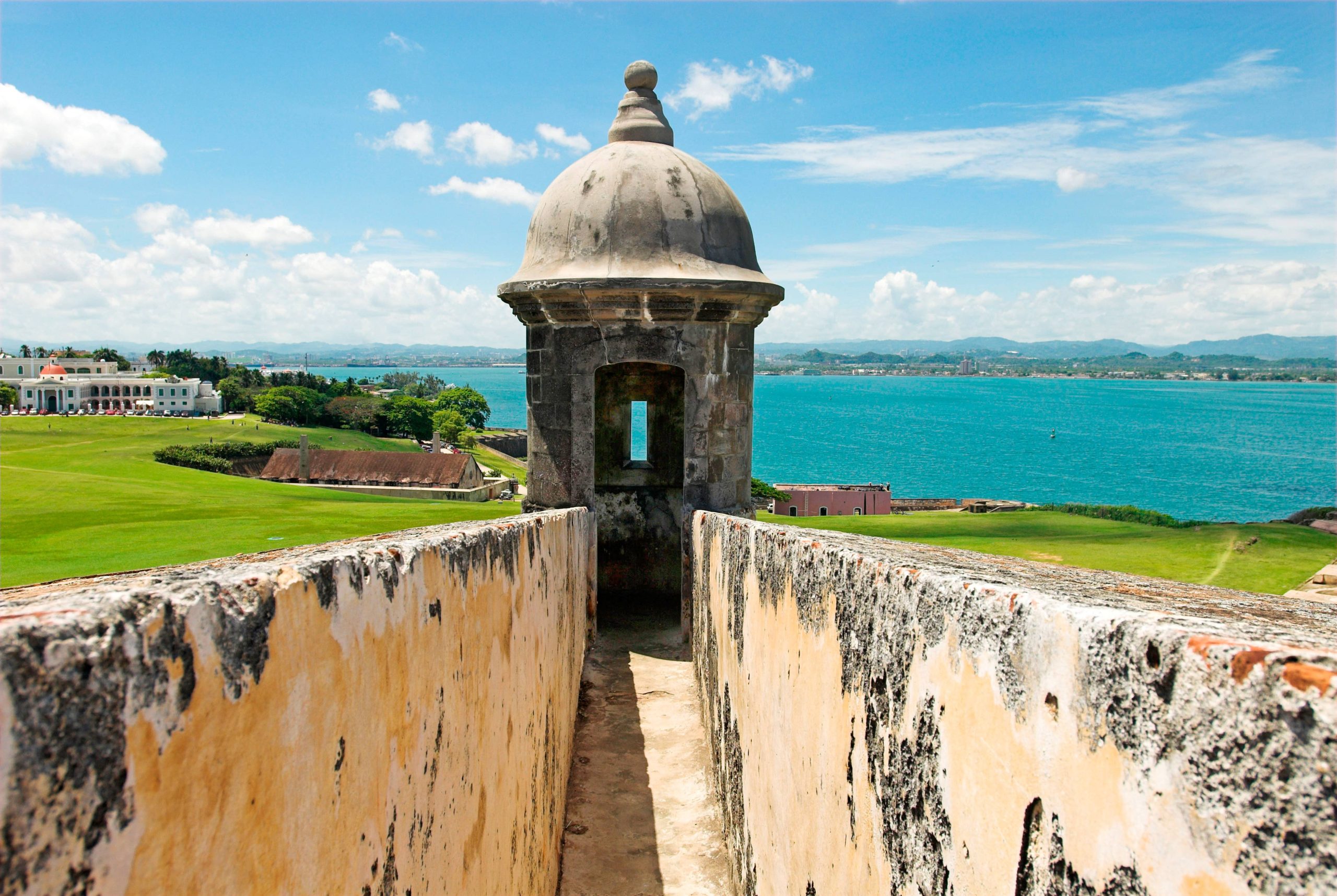
Transfer to your ship and settle into your stateroom. San Juan is a city of white-sand beaches, lush rainforests and inspiring Spanish colonial architecture. Compact and elegantly planned, Old San Juan spans the centuries. El Morro fortress has been standing watch over San Juan Bay since the 16th century and its formidable cannons peer out to sea. The streets of the centuries-old UNESCO World Heritage Site are paved with steel-blue adoquín stone, used to ballast the Spanish galleons that brought settlers here. These colorful, narrow byways lead to picturesque multihued facades and townhouses with neoclassical balconies.
Throughout San Juan, there is evidence of the city’s Spanish influence. Centuries-old, two-story houses line the streets of the Old Town, many of them brightly hued with pastel facades. Some of the city’s most historic structures have been transformed into cultural venues. In the stately Ballajá Barracks, built to house troops in the mid-1800s, the Museum of the Americas chronicles the region’s heritage. The metallic-blue 16th-century La Fortaleza, once a defensive citadel, is the oldest continually used executive mansion in the Americas, today home to the city’s governor.
St. Thomas rises from turquoise waters fringed by white-sand beaches, its deep harbor dotted with sailboats and framed by lush tropical foliage. Its capital, Charlotte Amalie, was founded in 1666 and reflects centuries of history in pastel facades, red-tiled roofs and cobblestoned lanes shaded by flowering trees. Impressionist painter Camille Pissarro was born here in 1830 and his childhood stone house still stands along Main Street. Overlooking the harbor, Fort Christian—the oldest structure in the Virgin Islands—once shielded Danish settlers from pirates and rival powers.
St. Kitts is lush with unspoiled vistas and old sugarcane fields. Together, St. Kitts and its neighboring island of Nevis comprise the smallest independent country in the Americas. Home to vervet monkeys, banana trees and coconut palms, St. Kitts’s coastal road leads to white-sand beaches and calm bays. The compact capital and main port, Basseterre, is one of the oldest towns in the eastern Caribbean, dotted with Victorian and Georgian architecture. At Independence Square, locals gather to exchange gossip in the shade of stately 18th-century buildings.
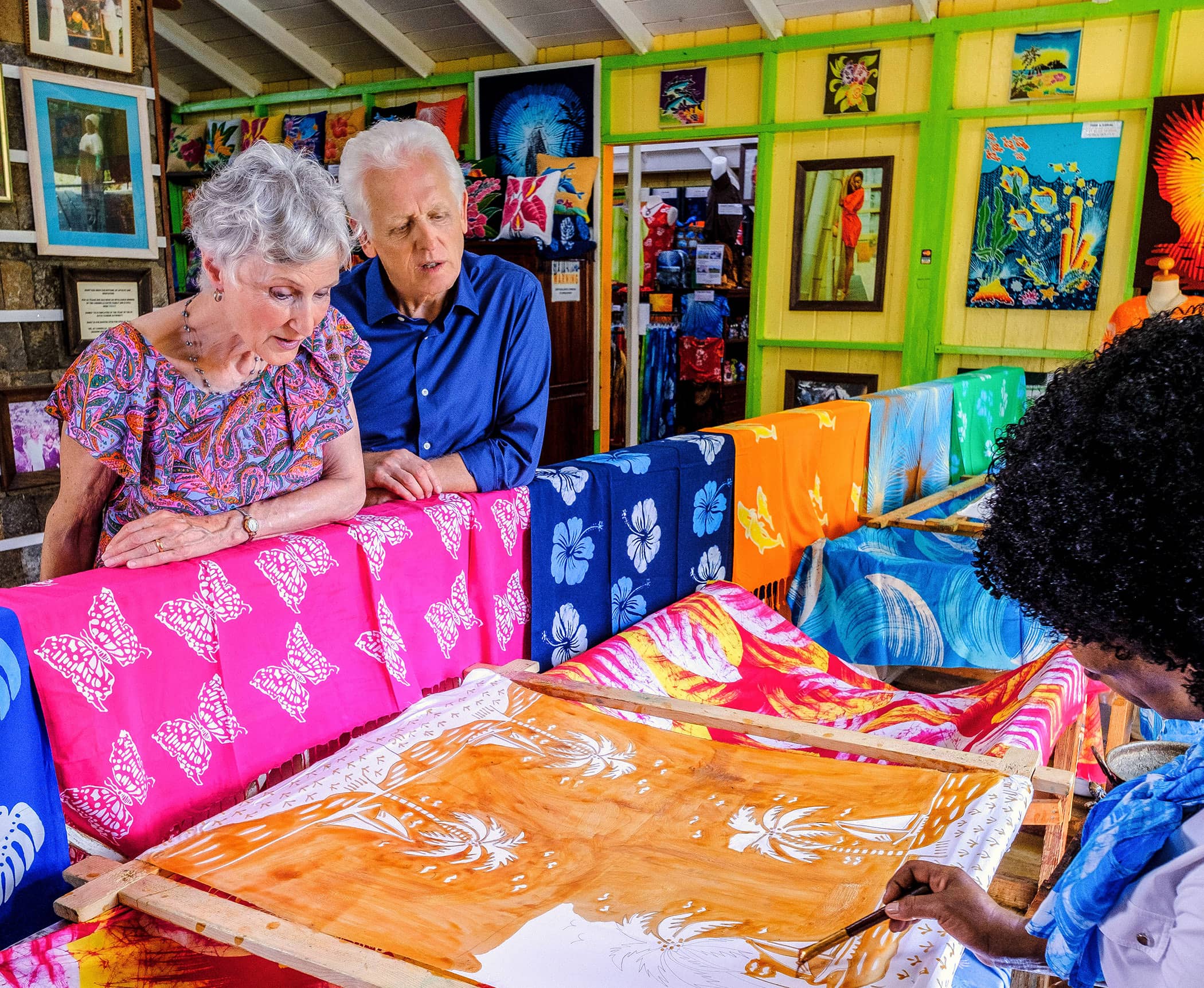
St. Lucia boasts some of the Caribbean’s most idyllic beaches, many near its capital of Castries. This paradise is so seductive that the British and French fought over it for 150 years. The British finally triumphed in 1814. Today, St. Lucia is a sovereign nation, but it is still part of the British Commonwealth. The island has a rich artistic heritage: the Cathedral of the Immaculate Conception in Castries is adorned with lush murals painted by a local artist and batik artisans keep a cherished tradition alive in their shops.
Barbados is rich in British history and spectacular sandy beaches. Home to the Commonwealth’s third-oldest parliament, Barbados is often called “Little England” for its lasting British influence. Bajans, as islanders are known, exude a hearty love of their small island country and delight in sharing its culture. Cricket matches and afternoon tea are as common here as surfing and sunning on the beach with family and friends. And a bottle of the island’s native Mount Gay Rum, accompanied by a conkie, a pumpkin-coconut cake steamed in banana leaves, are never far out of reach.
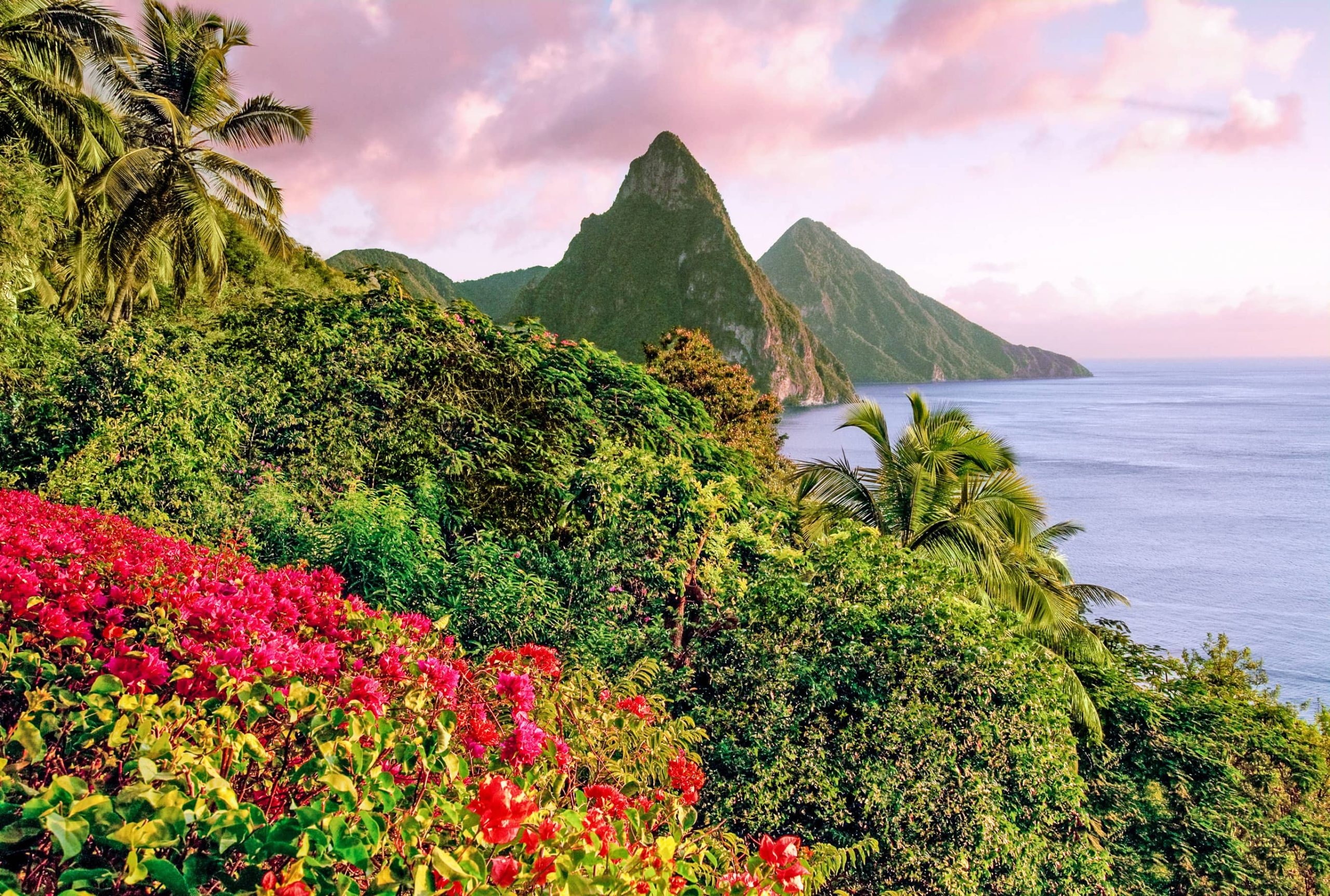
Dominica is celebrated for its mountainous rainforests and rare flora and fauna. Its compact capital of Roseau boasts a collection of French and English colonial architecture, and the city’s Botanical Gardens are rare in the Caribbean for their central urban location. Outside the city, the Caribbean of yesterday unfolds through the island’s indigenous Kalinago. Nine volcanoes bring heat to the island’s boiling lakes and sulfur springs. The island’s centerpiece for nature lovers is Morne Trois Pitons National Park, named for its triple-peak mountain.
Blanketed with tropical forests that lead to sheer cliffs overlooking azure waters, Antigua has a rich past as a naval outpost of the royal Crown. It is the largest of the Leeward Islands and one of the most British in the Caribbean. Today, Antigua and neighboring Barbuda, along with several smaller islands, comprise an independent country. Its capital, St. John’s, has been an administrative center since 1632, and the baroque twin bell towers of the cathedral attest to a long British influence. The nation boasts a powder-sand beach for every day of the year.
St. Martin is a fascinating mix of France and Holland and the island has been shared by the two nations since 1648. The early economy relied on cotton, tobacco, salt and sugar. A large salt pond remains, once harvested by the Dutch East India Company for trade. Today, the Dutch side of the island, anchored by its capital, Philipsburg, is dotted with resorts and casinos. The renowned Rotary Lookout Point offers stunning panoramic views of the Simpson Bay Lagoon and surrounding islands. Further north, the 1.5-mile swath of white sand at Orient Beach is ideal for sunbathing.
The largest of the US Virgin Islands, St. Croix’s rural expanses are dotted with the preserved ruins of sugar mills. Nestled on its western shores, historic Frederiksted is anchored by the stately Fort Frederik, an 18th-century Danish stronghold. The crimson walls of this fortress stand in stark contrast to the turquoise waters of the naturally deep harbor, which lured settlers during the colonial era. At sea, St. Croix’s reefs teem with vibrant marine life, while beyond the waterfront, quiet streets lined with neoclassical and Victorian architecture lead to shaded squares.
Bid farewell to your fellow guests and journey home. Or spend more time exploring, perhaps joining one of our extensions.
What you’ll see on the tour

Tour pricing:
from $7470
Pricing from AUD$6,045 per person.
To secure your place now:
Phone: 03 364 3400 or 0800 747 737
Email: [email protected]